Reasons for Intervention


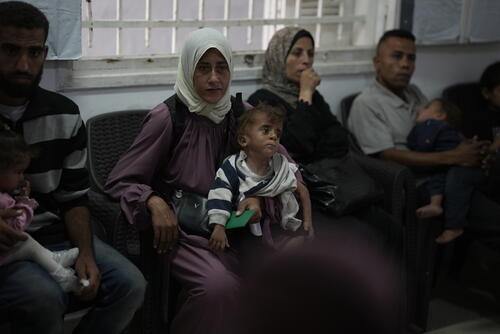
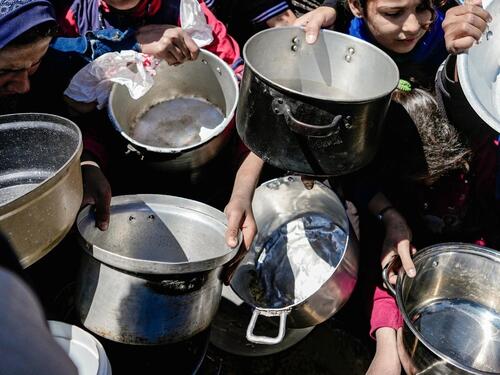
At its core, the purpose of humanitarian action is to save lives, relieve acute suffering and help restore the potential of individuals who find themselves in life threatening circumstances. MSF responds to crisis situations based on need alone. Although every situation is unique, MSF may launch a medical humanitarian response in the following events.

Armed conflict

   
A woman receives emergency treatment for a gunshot wound in Cité Soleil

© Pep Bonet/Noor 

A woman receives emergency treatment for a gunshot wound in Cité Soleil. Haiti, 2007.


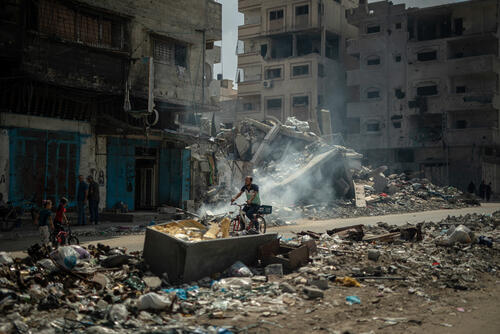
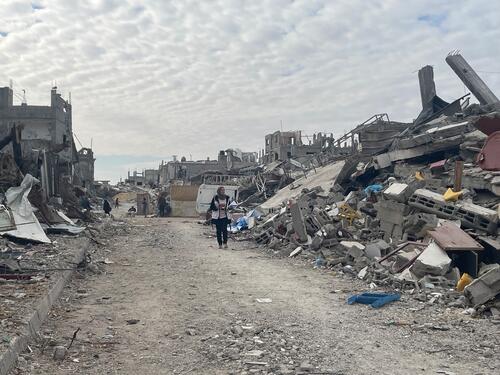
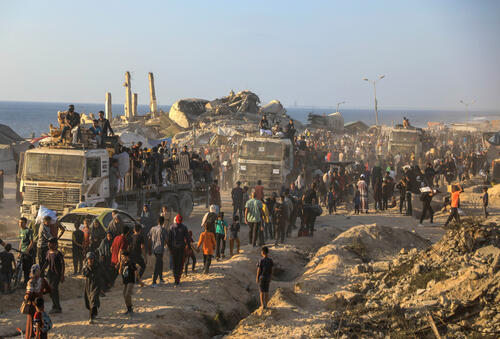
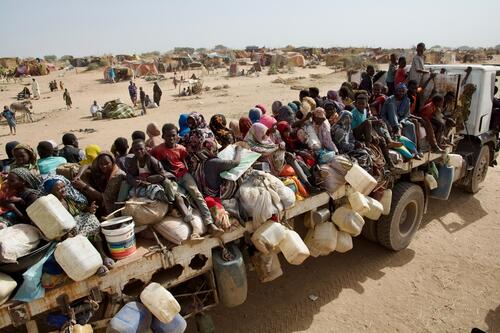
Populations affected by armed conflict require comprehensive medical and humanitarian support. They are often used as commodities of war, facing harassment, looting, abduction, rape and killings. They may also be forced to flee their homes and seek refuge in places with little healthcare, clean water or other basic amenities. Their poor living conditions are exacerbated by a crippled economy, weak infrastructure and a decimated healthcare system.


As well as treating the immediate victims of violence, MSF also works to cover a range of medical crises inherent to conflicts, such as malnutrition, disease and mental health problems. When needed, MSF also offers shelter materials, constructs wells and dispenses clean drinking water to people displaced by conflict. Without this, these people are at risk from malnutrition and exposure to epidemics like malaria and tuberculosis.


Natural disasters


A child survivor from Cyclone Nargis sits in a makeshift shelter in the town of Phyapon.

© Eyal Warshawski

A child survivor from Cyclone Nargis sits in a makeshift shelter in the town of Phyapon. Myanmar, 2008. 


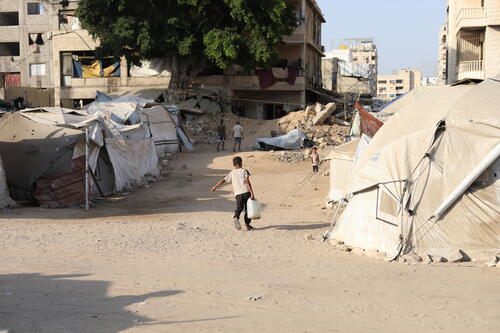
Populations affected by natural disasters require an immediate medical humanitarian response. They find themselves having suddenly lost their homes, material goods, family members and relatives. Survivors may be highly traumatised. The poor are often most at risk, living in isolated, rural settings, with little food, sanitation and shelter. In such settings, it is difficult to gauge the numbers of those affected. Limited local response capabilities often further slow relief efforts.


People caught up in natural disasters require rapid and diverse medical care and support. Access to the disaster area and the victims is usually complex and demands fast identification of multiple needs. MSF provides medical support such as surgery, psychological and nutritional programmes, and preventative actions to address potential epidemic risks. This may require constructing temporary medical centres, improving sanitation and providing clean drinking water, especially in areas at risk of water-borne diseases like cholera and dysentery. MSF also provides relief items such as blankets, tents and cooking oil.


These operations rely heavily on good communication and collaboration with national organisations, ensuring that local and international efforts complement each other to provide the best possible response.


Populations affected by epidemic or endemic disease

 
Two children suffering from malaria in the MSF hospital in Bo.
 

© William Daniels

Two children suffering from malaria in the MSF hospital in Bo. Sierra Leone, 2008. 


People who live in precarious regions, remote and/or underdeveloped areas, slums of capitals and cities, camps or shantytowns, often do not receive strong support from the local and international authorities. They are often minority groups, refugees or nomads. Women and children are most at risk of infectious and communicable diseases, in part owing to their dependency on others.


MSF's first response to disease outbreaks is to evaluate the outbreak, identify the type of disease and treat the people infected. In the second stage of treatment and prevention, MSF carries out mass vaccination campaigns to prevent the spread of highly contagious diseases. Such vaccination campaigns are extremely challenging, with vaccines having to be procured from suppliers and transported across regions with little infrastructure and very few usable roads. MSF also trains staff to identify and treat diseases, and raises awareness about the risks of epidemics through advocacy. Collaboration with local governments and authorities is crucial for a fast and effective response. 


Social violence and healthcare exclusion

  
Every year hundreds of migrants squat in this factory during the orange harvest in conditions that would not even meet the UN's basic minimum standards for refuges in camps in war zones.
 
© Christian Sinibaldi

Every year hundreds of migrants squat in this factory during the orange harvest in conditions that would not even meet the UN's basic minimum standards for refuges in camps in war zones. Italy, 2006. 


Minorities, ethnic groups, migrants and displaced people and refugees are often those most vulnerable to violence and those with least access to healthcare. They are socially excluded as prisoners or the unemployed, medically excluded because of drug addictions and mental illness. They may be sex workers or simply infected with HIV/AIDS or tuberculosis (TB). Living in environments where living conditions are poor and their rights are limited or nonexistent, they frequently receive inadequate support from local authorities.
   

MSF acts to alleviate these people's daily suffering with medical, psychological and social care. However, to combat healthcare exclusion, projects that bring attention to healthcare access and the absence of medical services are essential. MSF’s mission includes the act of speaking out and we are committed to bringing local and international authorities' attention to the causes of this suffering and the realities of our patients.


Click here to find out where we work and what we do.

Follow MSF Ireland on:
Follow MSF Ireland on Twitter Follow MSF Ireland on Facebook
E-News
Regular Gift Work With Us Dr. Fergus Glynn Blog Nobel Peace Prize